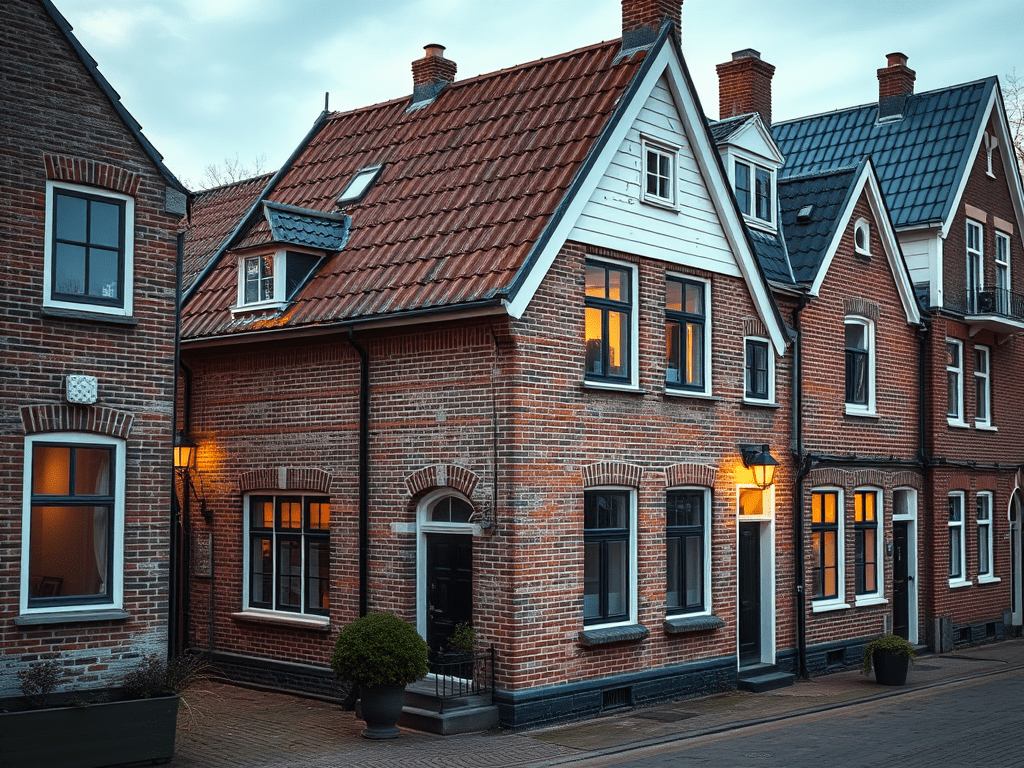
Living in the Netherlands comes with many advantages—high living standards, beautiful neighborhoods, and well-planned cities. However, many Dutch homes, especially those built before the 1990s, face recurring structural and comfort-related issues. From poor insulation and moisture problems to outdated layouts and inefficient heating systems, these challenges can significantly affect daily life and long-term property value.
The good news? Most of these problems can be solved with smart, cost-effective renovation strategies, without the need for a full rebuild. In this guide, we explore the most common problems in Dutch homes and practical renovation solutions that balance budget, sustainability, and comfort.
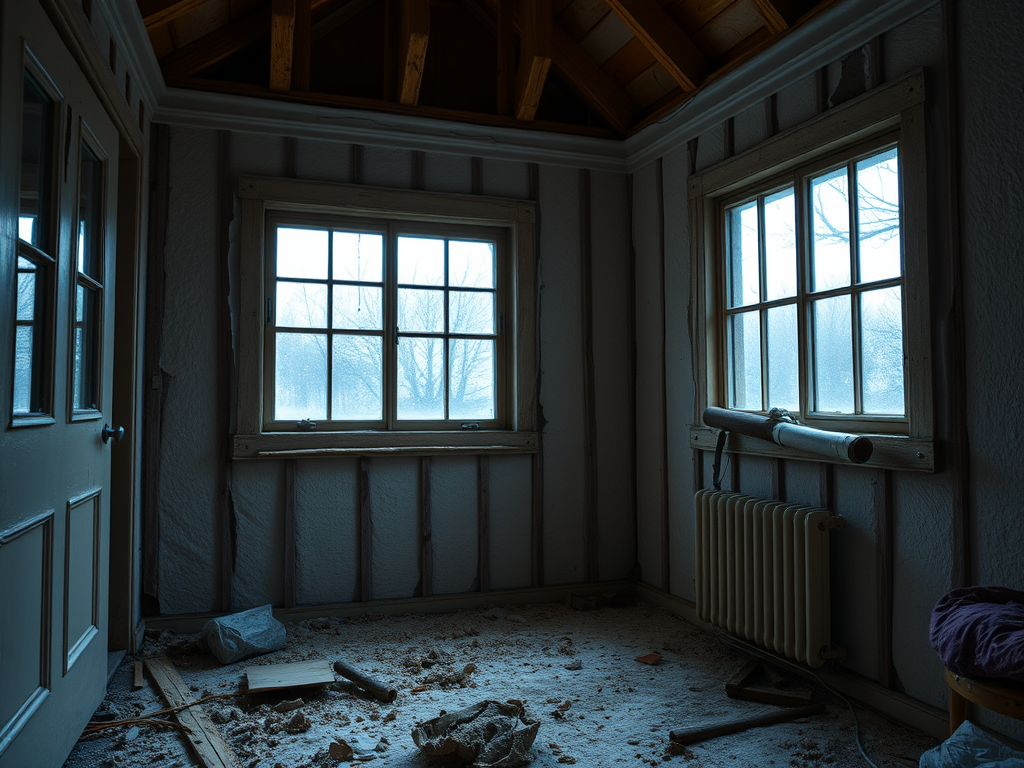
1. Poor Insulation and Heat Loss
The problem
Many older Dutch houses suffer from inadequate insulation, especially in roofs, walls, and floors. This leads to:
- High energy bills
- Cold floors in winter
- Overheating in summer
Cost-effective solution
Instead of a full structural overhaul, homeowners can start with:
- Roof and attic insulation (highest ROI)
- Floor insulation for ground-level homes
- High-performance double or triple glazing
Upgrading insulation not only improves comfort but also increases your home’s energy label, which is crucial in the Dutch housing market.
🔗 Related blog: Sustainable Renovation Ideas for Modern Dutch Homes
🔗 External reference:
Government energy-saving advice via RVO.nl or Milieu Centraal
https://www.milieucentraal.nl
2. Moisture, Mold, and Ventilation Issues
The problem
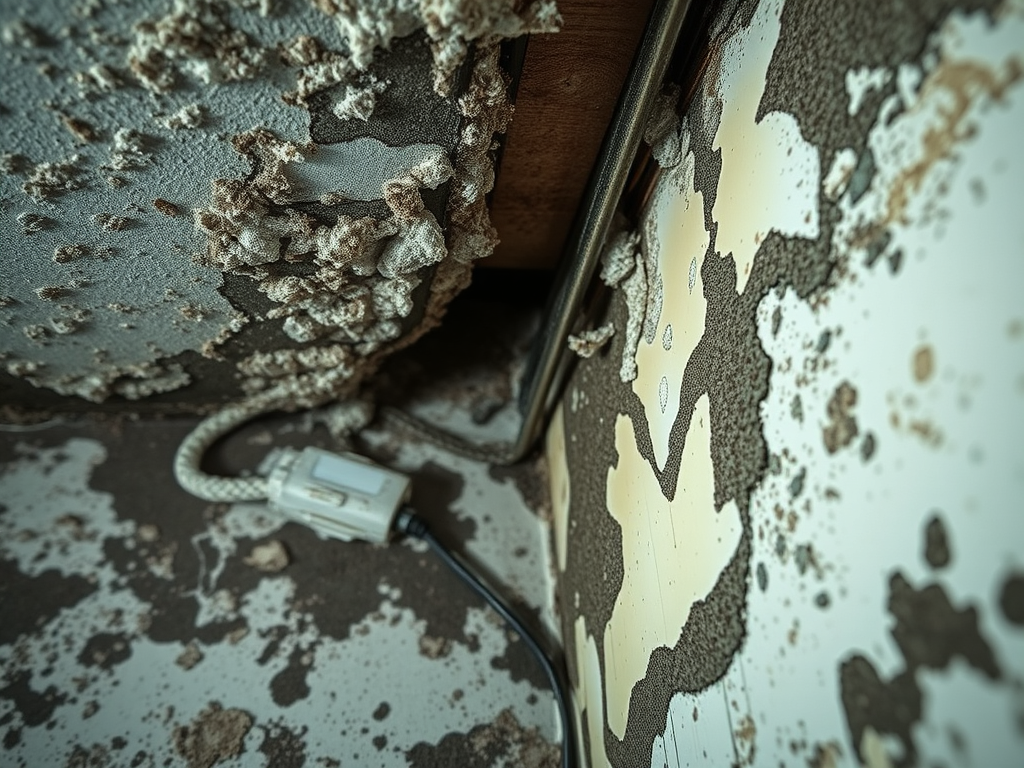
Due to the Netherlands’ humid climate, moisture buildup is one of the most common housing issues. Poor ventilation can lead to:
- Mold growth in bathrooms and kitchens
- Health problems (especially respiratory issues)
- Damage to walls and ceilings
Cost-effective solution
Rather than cosmetic fixes (like repainting over mold), the focus should be on ventilation and airflow:
- Mechanical ventilation systems (balanced or demand-controlled)
- Bathroom and kitchen extractor upgrades
- Moisture-resistant wall finishes
Addressing moisture at the source prevents recurring repair costs and protects structural integrity.
🔗 Related blog: How Long Does It Take to Renovate Your Home? (Bathroom Edition)
3. Outdated Layouts and Poor Use of Space
The problem
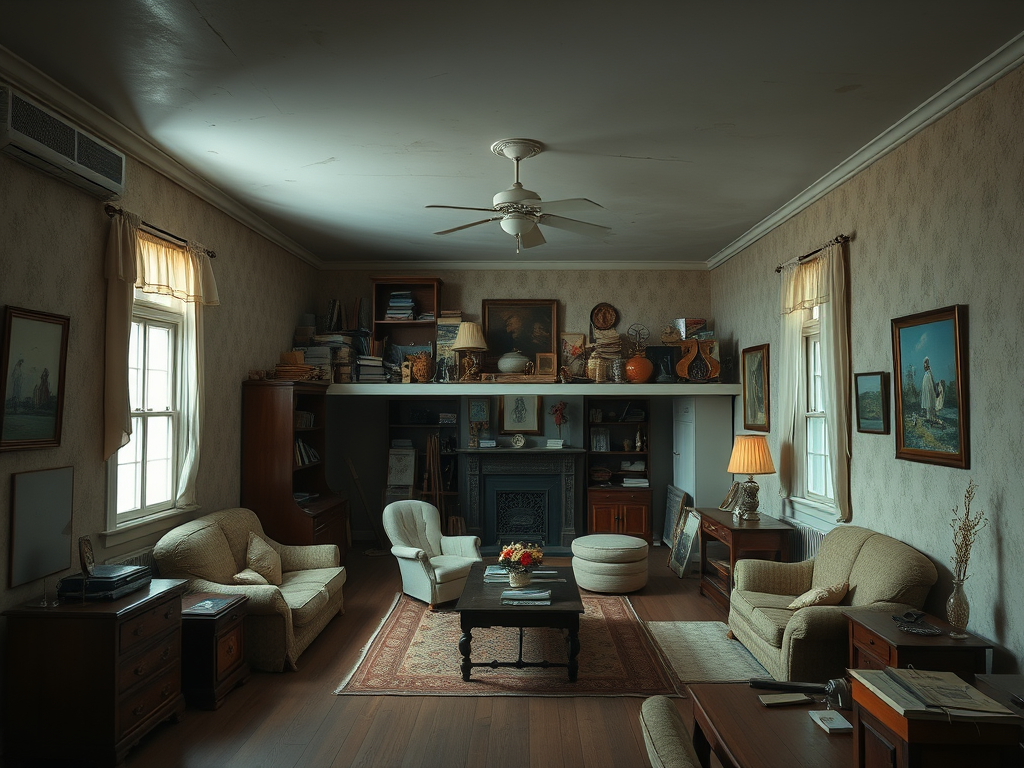
Many older Dutch homes were designed for different lifestyles—small kitchens, closed-off living areas, and limited storage.
Cost-effective solution
You don’t need a full extension to improve functionality:
- Open-plan layouts by removing non-load-bearing walls
- Smart storage solutions (built-ins, under-stair cabinets)
- Repositioning doors and partitions
Even minor layout adjustments can dramatically improve flow, light, and usability.
🔗 Related blog: Living Room Design Ideas: Smart Layouts, Cozy Styles, and Modern Inspirations
4. Inefficient Heating and High Energy Bills
The problem
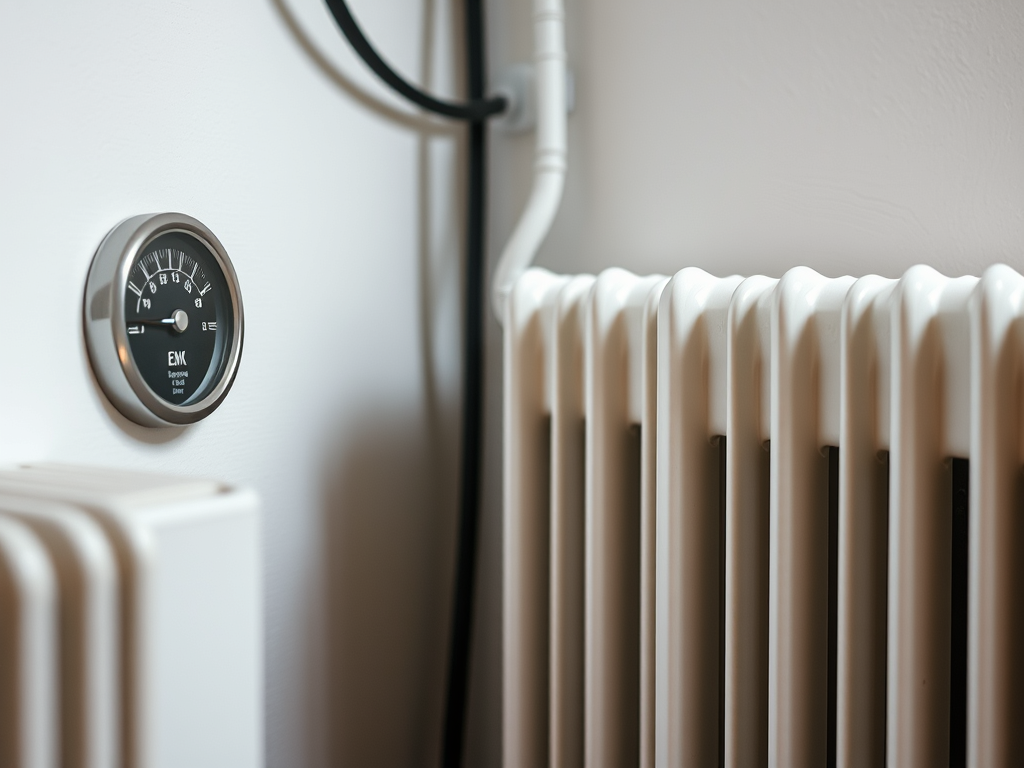
Old boilers and radiators are not only inefficient but also expensive to maintain.
Cost-effective solution
A phased upgrade approach works best:
- Smart thermostats to optimize energy usage
- Hybrid heat pump systems (popular in the Netherlands)
- Radiator upgrades with modern control valves
These improvements reduce energy consumption without requiring immediate full electrification.
🔗 External reference:
Dutch sustainability incentives and subsidies
https://www.rvo.nl/subsidies-financiering
5. Worn-Out Floors and Low-Quality Finishes
The problem
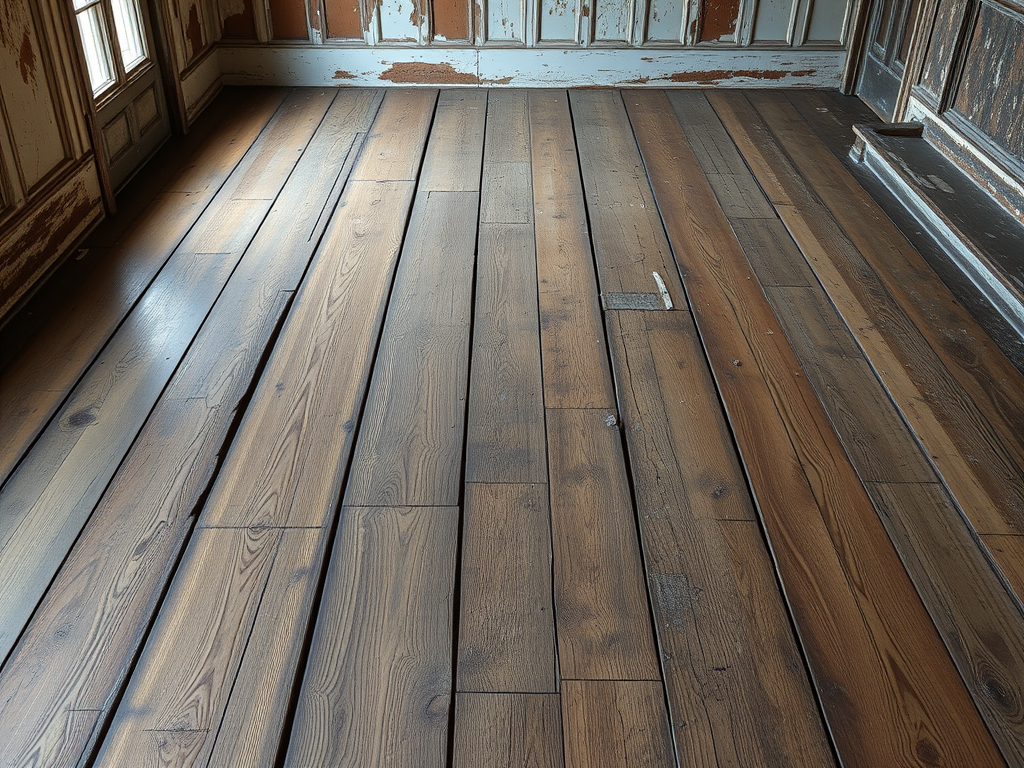
Old flooring, especially damaged wood, outdated tiles, or thin laminate—affects both comfort and aesthetics.
Cost-effective solution
Instead of premium materials everywhere:
- High-quality laminate or engineered wood floors
- Durable finishes suitable for Dutch climates
- Layered upgrades (floor + insulation together)
This approach balances durability, warmth, and cost efficiency.
🔗Related blog: Wood in Interior Design: From Floors to Accessories
6. Electrical and Lighting Issues
The problem
Older electrical systems often lack:
- Sufficient sockets
- Proper lighting layouts
- Energy-efficient fixtures
Cost-effective solution
During renovation:
- Rewire selectively instead of full replacement
- Install LED lighting with layered design (ambient + task)
- Add smart lighting controls
This improves safety and modernizes the home without major demolition.
7. Cosmetic Aging That Reduces Property Value
The problem
Even structurally sound homes can feel outdated due to:
- Old wall finishes
- Faded colors
- Outdated details
Cost-effective solution
Strategic cosmetic upgrades:
- Neutral, modern color palettes
- Feature walls or textured finishes
- Updated trims and doors
Small visual changes can significantly increase perceived value.
🔗 Related blog: The Power of Color in Home Improvement

Why Smart Renovation Matters in the Netherlands
Renovation in the Dutch market isn’t just about aesthetics—it’s about:
- Energy efficiency
- Sustainability compliance
- Long-term value protection
A smart renovation plan prioritizes what to fix first, where to invest, and how to avoid unnecessary costs.
Final Thoughts: Renovate Smarter, Not Harder
Every home has challenges, but with the right renovation strategy, these problems become opportunities. By focusing on cost-effective solutions, sustainable upgrades, and smart design choices, homeowners in the Netherlands can significantly improve comfort, efficiency, and value without overspending.
If you’re planning a renovation, start with a clear assessment, prioritize the most impactful upgrades, and work with professionals who understand the Dutch housing context.
Ready to take the next step?
Explore more renovation insights on our blog or get in touch to discuss a tailored renovation plan for your home.
 NovaBuild
Leave a comment